The Ancient History of Stevia
When we enjoy the clean, guilt-free sweetness of a Zorvex Stevia Tomato, we are partaking in a culinary innovation. The technology to infuse a tomato with a natural sweetener is brand new. However, the source of that sweetness, the stevia plant, is anything but new. Its story is an ancient one, rooted in the traditions and wisdom of indigenous peoples.
To truly appreciate the modern marvel of a Stevia Tomato, it helps to understand the long and fascinating history of the plant that makes it all possible.
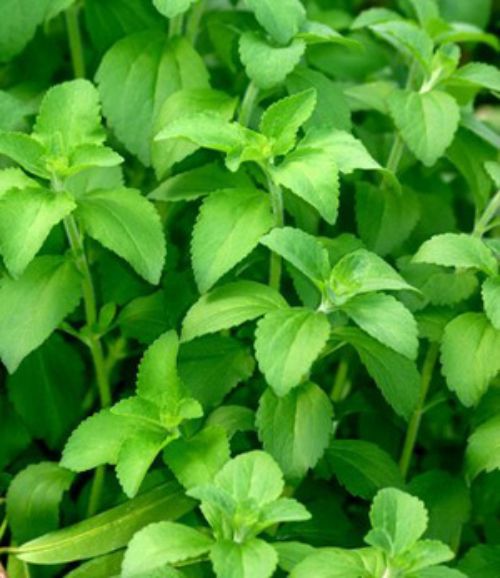
The “Sweet Herb” of the Guaraní People
The story of stevia begins in the lush, subtropical highlands of Paraguay and Brazil. For centuries, perhaps even millennia, the indigenous Guaraní people have known about a small, unassuming shrub they called ka’a he’ê, which translates to “sweet herb.”
They used the leaves of this plant, Stevia rebaudiana, for a variety of purposes:
- As a Sweetener: They would chew on the leaves for their intense sweetness or add them to bitter herbal medicines and teas (like yerba mate) to make them more palatable.
- As Medicine: In their traditional medicine, the Guaraní used stevia for its perceived benefits in treating heartburn and other minor ailments.
For the Guaraní, stevia was not a “product”; it was a part of their natural pharmacy and pantry, a gift from the land that was passed down through generations.
Introduction to the Western World
For centuries, the knowledge of ka’a he’ê remained a closely guarded secret of the Guaraní. It wasn’t until 1899 that a Swiss botanist named Moisés Santiago Bertoni, while working in Paraguay, first learned of the plant and its remarkable properties. He was the one who gave it the scientific name Stevia rebaudiana in honor of the chemist, Ovidio Rebaudi, who first extracted its sweet compounds.
However, it took several more decades for the rest of the world to catch on. In the 1930s, French chemists isolated the complex molecules responsible for the sweetness, which they named steviol glycosides. They discovered that these compounds were hundreds of times sweeter than sugar but had zero calories.
Japan Leads the Way
The country that first truly embraced stevia on a commercial scale was Japan. In the 1970s, facing concerns about the safety of artificial sweeteners like saccharin and aspartame, Japanese consumers and food scientists began looking for a natural alternative. They started cultivating stevia and developed methods to extract its sweet compounds for use in a wide range of products, from soft drinks and pickles to chewing gum.
Japan’s successful and safe use of stevia for decades paved the way for its eventual acceptance in other parts of the world.
| Time Period | Key Event in Stevia’s History |
|---|---|
| Ancient Times | The Guaraní people of Paraguay use stevia as a natural sweetener and medicine. |
| 1899 | Swiss botanist Moisés Bertoni “discovers” and documents the plant for Western science. |
| 1931 | French chemists isolate the sweet compounds, steviol glycosides. |
| 1970s | Japan begins large-scale commercial use of stevia as a food additive. |
| 2008 | The FDA approves highly purified stevia extracts as Generally Recognized as Safe (GRAS) in the US. |
From Ancient Herb to Modern Marvel
Today, stevia is a global phenomenon. Its journey from a wild herb in the Paraguayan highlands to a key ingredient in a high-tech product like the Zorvex Stevia Tomato is a remarkable one.
It’s a story that bridges ancient indigenous wisdom with modern food science. When you bite into a Stevia Tomato, you are tasting more than just a sweet fruit; you are tasting a piece of history. You are tasting the legacy of the Guaraní people, the curiosity of botanists, the innovation of chemists, and the forward-thinking of food scientists. It’s a rich history for a richly flavored fruit, and a sweet future for a humble leaf.