Overcoming Agricultural Challenges with Infarmight’s Innovative Solutions
Introduction: The Crisis and the Catalyst
The Global Agricultural Imperative
The challenge of feeding a rapidly growing global population is one of the defining issues of the 21st century. By 2050, the world will need to produce nearly 70% more food than it does today, yet the traditional agricultural system is buckling under immense pressure. Shrinking arable land, exacerbated by urbanization and soil degradation, limits our capacity for expansion. Simultaneously, the accelerating effects of climate change—manifesting as unpredictable weather patterns, prolonged droughts, and catastrophic floods—introduce a level of volatility that makes reliable food production increasingly tenuous. The traditional, open-field model, which has sustained humanity for millennia, is proving to be resource-intensive, environmentally taxing, and fundamentally vulnerable to these existential threats. A paradigm shift is not merely desirable; it is an absolute necessity to ensure global food security and sustainability.
Introducing Infarmight: The Smart Farm Revolution
In response to this crisis, a new generation of agricultural technology has emerged, spearheaded by innovators like Infarmight. Infarmight is not a conventional farm; it is a pioneer in Controlled Environment Agriculture (CEA), leveraging cutting-edge technology to create hyper-efficient, resilient, and sustainable food production systems. By moving farming indoors and integrating advanced data science, robotics, and artificial intelligence, Infarmight has engineered a holistic, data-powered ecosystem. This system is designed to future-proof our food supply by systematically dismantling the most persistent and critical challenges facing modern agriculture. The core of Infarmight’s mission is to decouple food production from the constraints of geography, climate, and resource scarcity, offering a model for a more stable and ethical food future.
Challenge 1: Resource Scarcity (Water and Land)
The Thirsty Fields: Water Overuse in Agriculture
Agriculture is, by far, the largest consumer of the world’s freshwater resources, accounting for approximately 70% of global withdrawals. Much of this water is lost through inefficient irrigation techniques, evaporation, and runoff in open-field farming. This massive consumption is unsustainable, particularly in regions facing increasing water stress. Furthermore, the reliance on vast tracts of land for monoculture farming has led to widespread soil exhaustion, nutrient depletion, and the destruction of natural ecosystems. The need for a system that can produce high yields with a minimal footprint and dramatically reduced water usage is paramount.
Infarmight’s Vertical and Closed-Loop Systems
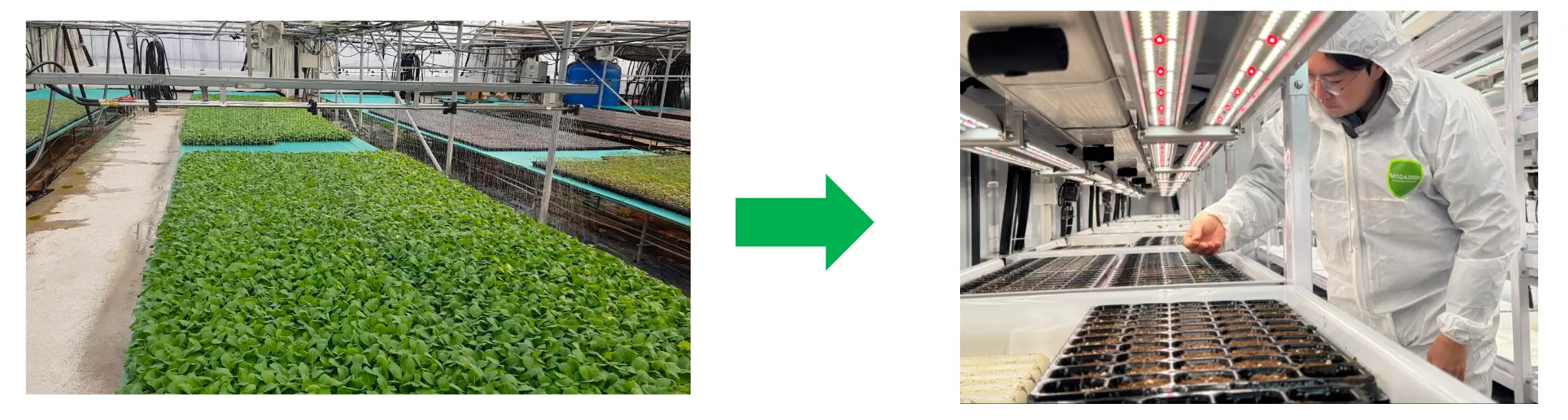
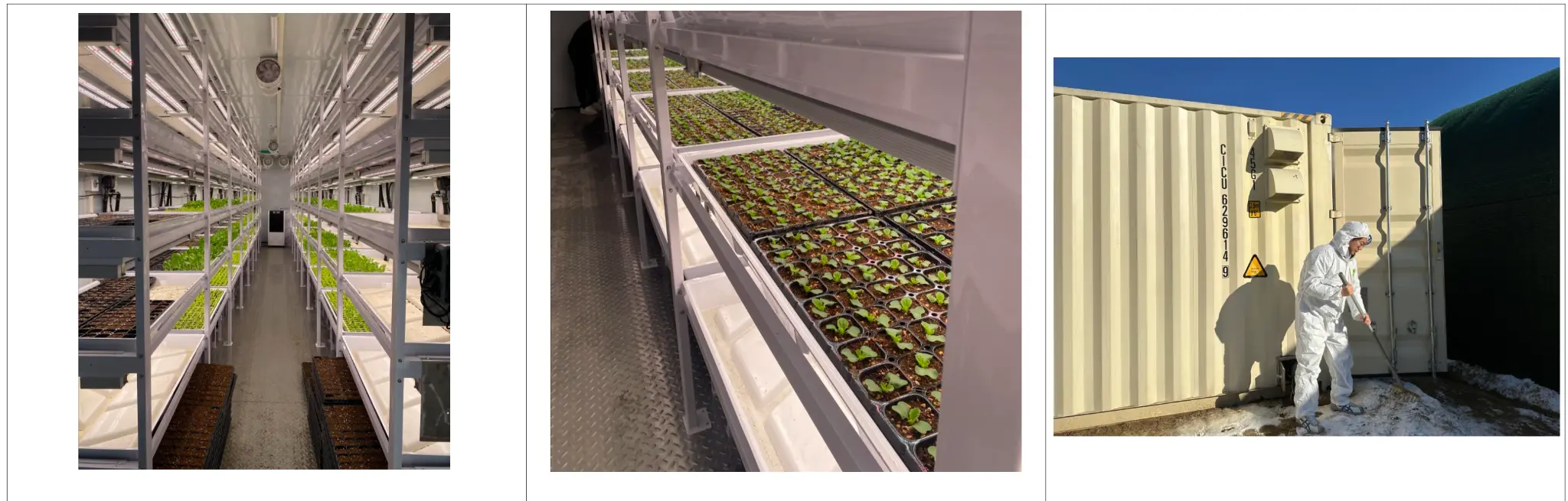
Infarmight directly addresses the dual crisis of land and water scarcity through its innovative infrastructure. The company employs vertical farming architecture, stacking crops in layers within a controlled indoor environment. This approach drastically reduces the land footprint, allowing for the production of the equivalent of acres of farmland within the space of a single warehouse.
More critically, Infarmight utilizes advanced hydroponics and aeroponics—methods that grow plants without soil, using mineral nutrient solutions in a water solvent or a mist, respectively. These systems are entirely closed-loop. Water that is not absorbed by the plants is collected, filtered, re-sterilized, and recirculated back into the system. This meticulous management means that Infarmight’s farms use up to 95% less water compared to conventional field farming, effectively transforming a water-intensive process into a highly water-efficient one. The vertical structure and closed-loop systems are a testament to how intelligent design can turn scarcity into abundance.
Challenge 2: Climate Volatility and Unpredictable Weather
The Climate Change Gauntlet
The volatility introduced by climate change is perhaps the single greatest threat to agricultural stability. Extreme weather events—unprecedented heatwaves, prolonged droughts, sudden floods, and early frosts—can wipe out entire harvests in a matter of hours. This unpredictability makes long-term planning, investment, and consistent supply chain management nearly impossible for traditional farmers. The reliance on seasonal cycles and favorable outdoor conditions is a vulnerability that the modern food system can no longer afford.
Controlled Environment Agriculture (CEA): The Climate Shield
Infarmight’s core technology, Controlled Environment Agriculture (CEA), acts as a complete shield against external climate threats. By housing crops in modular, insulated, and fully enclosed structures, Infarmight creates an optimal, stable microclimate for plant growth, 24 hours a day, 365 days a year.
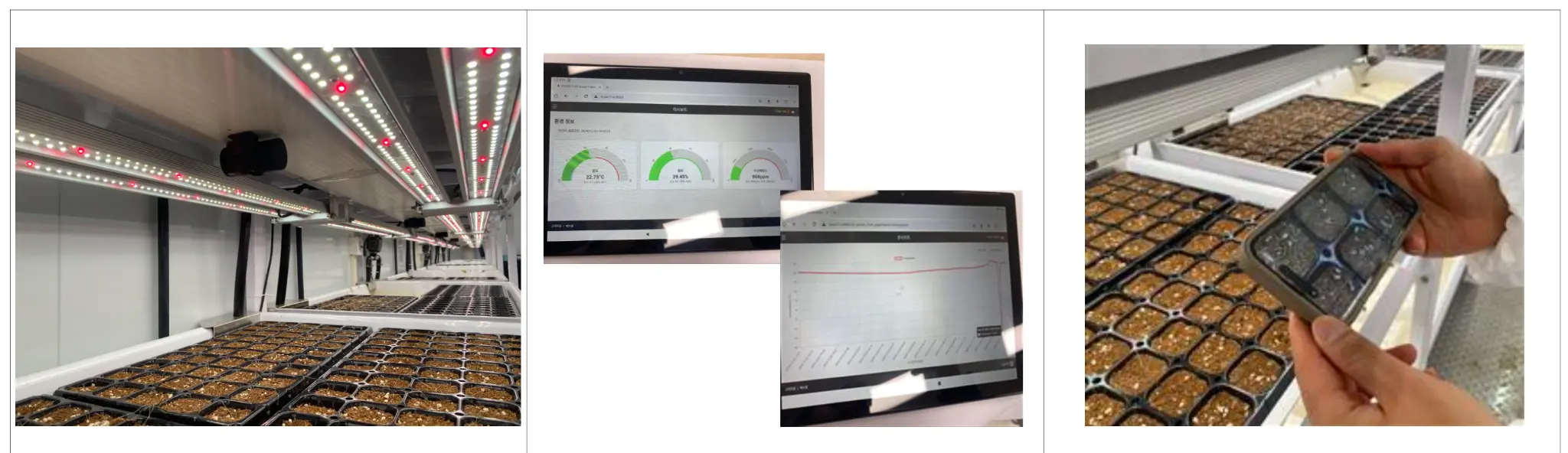
Within these controlled environments, every variable is precisely managed:
- Temperature and Humidity: Maintained at ideal levels for the specific crop variety.
- Light Spectrum: Custom-tuned LED lighting replaces the sun, providing the exact wavelengths and intensity needed for maximum photosynthesis and nutrient development.
- Atmospheric Composition: CO2 levels are enriched to boost growth rates.
The result is a system that delivers year-round, predictable harvests with consistent quality, entirely independent of external weather conditions or geographical location. Whether in a desert, a frozen tundra, or an urban center, an Infarmight farm operates with the same high level of efficiency and reliability, ensuring a stable food supply chain.
Challenge 3: Pest, Disease, and Chemical Dependency
The Pesticide Paradox
The fight against pests and diseases is a perpetual and costly battle in traditional agriculture. To protect crops, farmers globally rely on massive quantities of chemical pesticides and herbicides. While effective in the short term, this dependency carries a heavy environmental and health toll. Pesticide runoff contaminates waterways, harms beneficial insects (like pollinators), and contributes to the loss of biodiversity. Furthermore, the widespread use of these chemicals has led to the evolution of pesticide-resistant pests, creating a vicious cycle of ever-stronger chemical application. Consumers are increasingly demanding food that is not only safe but also truly chemical-free.
AI-Driven Precision Health and Biological Controls
Infarmight eliminates the need for chemical pesticides entirely by controlling the environment and employing a sophisticated, multi-layered defense strategy. Because the farms are fully enclosed, the risk of external pest and pathogen introduction is drastically minimized.
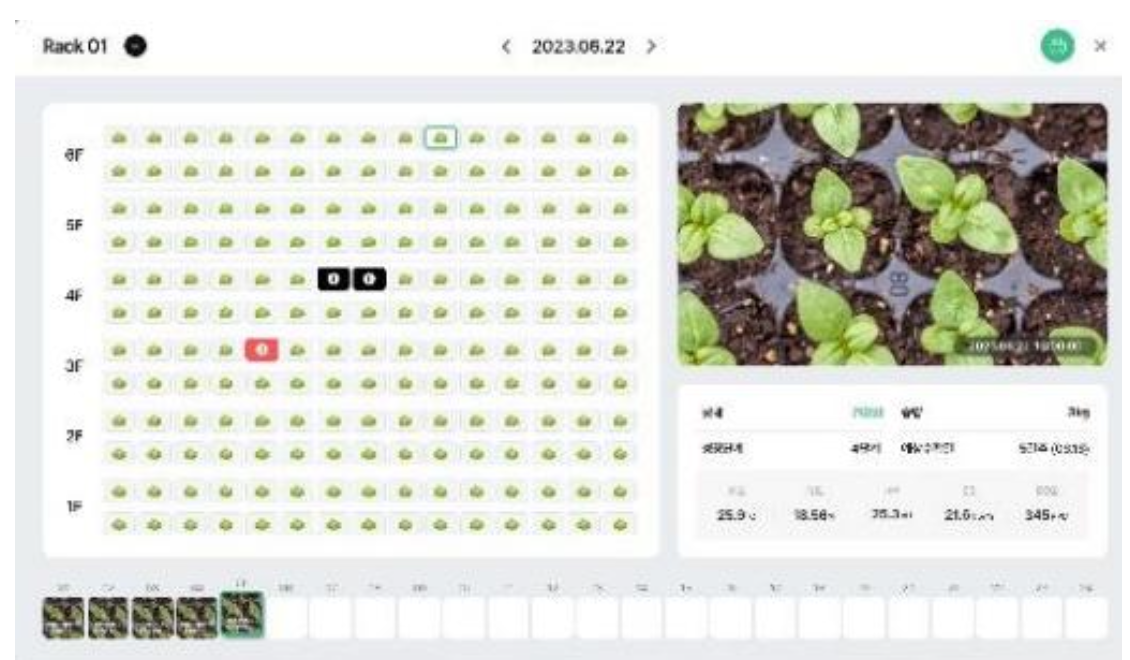
The first line of defense is AI-driven precision health monitoring. Infarmight’s systems are equipped with dense networks of sensors and high-resolution computer vision cameras. These tools continuously scan every plant, analyzing leaf color, growth rate, and subtle physical changes. AI algorithms process this data in real-time, allowing for the early detection of the slightest signs of stress, nutrient deficiency, or the presence of a pest—often days before a human eye could spot the problem.
If a threat is detected, the response is targeted and biological. Infarmight utilizes natural biological controls, introducing beneficial insects (such as predatory mites or wasps) that naturally prey on the harmful pests. This integrated pest management (IPM) approach, combined with the sterile environment, ensures that the produce is 100% chemical-free, delivering healthier food while protecting the environment from harmful agricultural runoff.
Challenge 4: Labor Shortages and Operational Inefficiency
The Human Element: An Industry in Decline
The agricultural sector globally faces a severe and worsening labor crisis. The farming workforce is aging, and younger generations are increasingly reluctant to take on the physically demanding, often low-wage, and seasonal work of traditional farming. This shortage drives up labor costs, introduces inconsistency in operations, and creates bottlenecks in the supply chain, particularly during critical periods like planting and harvesting. Furthermore, the reliance on manual labor makes scaling and standardizing operations across different geographical locations incredibly difficult. The industry needs a solution that can decouple productivity from the volatility of the human labor market.
Automation and Robotics: The Smart Workforce
Infarmight’s indoor farms are designed from the ground up for maximum automation, effectively creating a “smart workforce” that is tireless, precise, and scalable. The system automates the most repetitive and labor-intensive tasks, including:
- Automated Seeding and Transplanting: Precision machinery handles the delicate process of planting and moving seedlings.
- Nutrient Delivery: The closed-loop hydroponic system automatically mixes and delivers the exact nutrient solution required by each crop at every stage of its life cycle.
- Harvesting: Specialized robotics are employed to harvest mature crops with minimal damage and maximum efficiency.
Crucially, all these operations are managed through a centralized, cloud-based farm management software. This allows a small team of highly skilled technicians and agronomists to remotely monitor and operate multiple farms simultaneously, shifting the human role from manual labor to high-value tasks like data analysis, system maintenance, and crop optimization. This transition not only reduces operational costs but also increases consistency and attracts a new, tech-savvy generation to the agricultural sector.
The contrast in operational models is stark, highlighting the efficiency gains of Infarmight’s approach:
| Operational Metric | Traditional Farming (Open Field) | Infarmight (CEA) |
|---|---|---|
| Water Usage | High (Up to 95% loss to evaporation/runoff) | Extremely Low (Closed-loop recycling, up to 95% reduction) |
| Land Requirement | Extensive (Acres of arable land) | Minimal (Vertical footprint, high yield per square meter) |
| Labor Dependency | High (Seasonal, manual, inconsistent) | Low (Automated, skilled tech oversight) |
| Yield Predictability | Low (Highly weather-dependent) | High (Climate-controlled, year-round stability) |
| Pesticide Use | High (Chemical reliance) | Zero (Biological/Precision Control) |
Challenge 5: Food Quality, Safety, and Traceability
The Quality and Trust Deficit
The modern food supply chain is often characterized by a significant trade-off between shelf life and nutritional quality. Produce is frequently harvested prematurely to survive long-distance transport, leading to a decline in flavor and nutritional value. Furthermore, the complexity of the global supply chain creates a “trust deficit.” Consumers are increasingly concerned about the origins of their food, the potential for contamination in open systems, and the lack of transparency from farm to table. The industry needs a system that can guarantee both superior quality and unimpeachable safety.
Data-Driven Nutrient Optimization and Blockchain Traceability
Infarmight’s solution is rooted in precision and transparency. Because the environment is perfectly controlled, Infarmight’s agronomists can fine-tune every parameter—from light spectrum to nutrient recipe—to maximize the flavor, texture, and nutritional density of the crops. This data-driven nutrient optimization results in produce that is consistently superior in quality and often higher in key vitamins and antioxidants than its field-grown counterparts.
Every single batch of produce grown in an Infarmight farm is digitally logged. The system records all growth parameters: temperature, humidity, CO2 levels, nutrient concentration, and light exposure. This creates a comprehensive, unalterable digital history for every plant. Infarmight leverages this data, often integrating it with blockchain or similar ledger technology, to provide farm-to-fork transparency. A consumer can scan a QR code on a package and instantly see where and when the produce was grown, the exact conditions it experienced, and even the nutrient recipe used. This level of traceability guarantees food safety and rebuilds consumer trust by offering unparalleled insight into the food’s journey.
The Broader Impact: Economic Viability and Environmental Stewardship
Economic Resilience for Farmers and Communities
The benefits of Infarmight’s technology extend far beyond the farm gate, creating a new model for economic resilience. For the farm operators, the high predictability of yields—decoupled from weather and seasonal cycles—translates directly into stable revenue streams and better financial planning. This stability is a stark contrast to the boom-and-bust cycles of traditional agriculture.
Furthermore, Infarmight’s modular and compact farms can be strategically located in or near urban centers, a concept known as decentralized farming. This dramatically reduces the “food miles” associated with transporting produce across continents, cutting down on fuel costs and spoilage. The economic benefit is shared with the community, as the creation of these high-tech farms generates new, skilled “green collar” jobs in engineering, data science, and plant biology, revitalizing local economies.
A New Standard for Sustainability
Infarmight is setting a new standard for environmental stewardship. The elimination of chemical pesticides and herbicides means there is zero agricultural runoff to contaminate local rivers, lakes, and oceans. The massive reduction in water usage preserves precious freshwater resources.
Perhaps most significantly, the decentralized model drastically cuts down on the carbon footprint of the food supply chain. By growing food closer to where it is consumed, the need for long-haul refrigerated transport is minimized, leading to a substantial reduction in CO2 emissions. Infarmight is proving that high-yield agriculture and environmental responsibility are not mutually exclusive but are, in fact, two sides of the same sustainable coin.
Conclusion: Cultivating the Future
Infarmight represents a powerful and necessary evolution in how humanity feeds itself. The company has systematically engineered solutions to the five most critical challenges facing modern agriculture: resource scarcity, climate volatility, chemical dependency, labor shortages, and the demand for quality and transparency.
By embracing Controlled Environment Agriculture, AI-driven precision, and closed-loop systems, Infarmight has moved food production from a vulnerable, resource-intensive gamble to a resilient, data-optimized science. It is a model that promises not only to feed the billions of people who will inhabit our planet but to do so in a way that is environmentally responsible, economically viable, and fundamentally healthier. The future of food is not in vast, open fields, but in the controlled, intelligent, and sustainable ecosystems that Infarmight is cultivating today.